AI content

Welcome to ICSE STEAM vision

ICSE STEAM Vision supports teachers in designing innovative, interdisciplinary STEM learning experiences. Through European collaboration, mobility opportunities, and dialogue with education policymakers, the project generates sustainable impulses for the future of teacher education in Europe.

The ICSE STEAM vision Project

AI content
AI content
AI content

Background

Teachers across Europe need to support young people in understanding and solving complex real-world challenges from different disciplinary perspectives. This requires integrated STEAM teacher education that connects science, technology, engineering and mathematics with other disciplines. At the same time, many contexts still lack practice-oriented professional development opportunities, easily accessible international mobility formats and lasting European exchange structures. ICSE STEAM vision addresses these needs by bringing together teacher education, school practice, research and education policy in a sustainable European partnership.

Partners

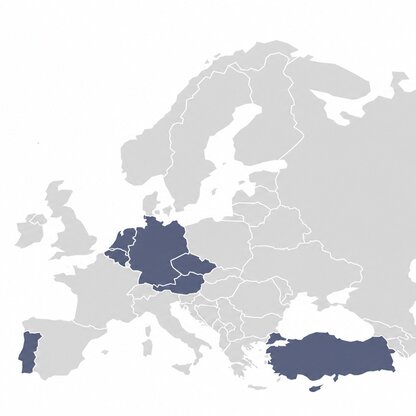
The project consortium brings together seven higher education institutions, European teacher education organisations, schools and education policy partners. It draws on the established networks of ICSE, European Schoolnet and EduNet, creating a European “hyper-network” that combines broad European reach with strong regional implementation.

Why co-create STEAM teacher education?

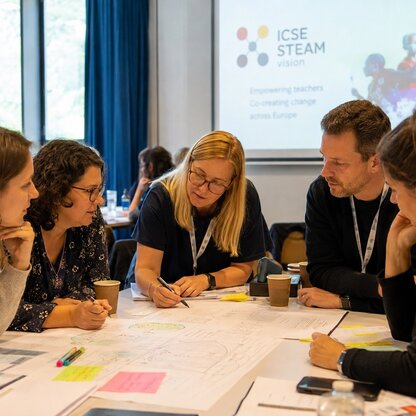
At the heart of the project is the joint development of a high-quality European STEAM teacher education programme. In an interdisciplinary co-creation process, experts and practitioners from different STEAM disciplines, initial teacher education, continuing professional development and schools develop eight practice-based modules. The starting point is authentic societal challenges from four thematic areas: sustainability and economic competitiveness, digital transformation, food and health, and cultural, social and societal challenges.

Exchange

Participants experience STEAM in the way students are intended to experience it: they start with a real-world problem and use knowledge and methods from different disciplines to develop solutions. This is complemented by pedagogical priorities such as assessment, the design of STEAM teaching, support for diverse learning needs, and the promotion of girls in STEM.

In a nutshell

ICSE STEAM vision is a European Teacher Academy for integrated STEAM teacher education and cross-border collaboration.

Contact

Are you interested in the ICSE STE(A)M vision project, its European professional development opportunities, the materials being developed, or opportunities for networking? The project team welcomes exchange with teachers, student teachers, teacher educators, schools, networks and education policy stakeholders. The following contacts are available:

Explore the Offers

MOOC, Policy Briefs and Further Resources
AI content

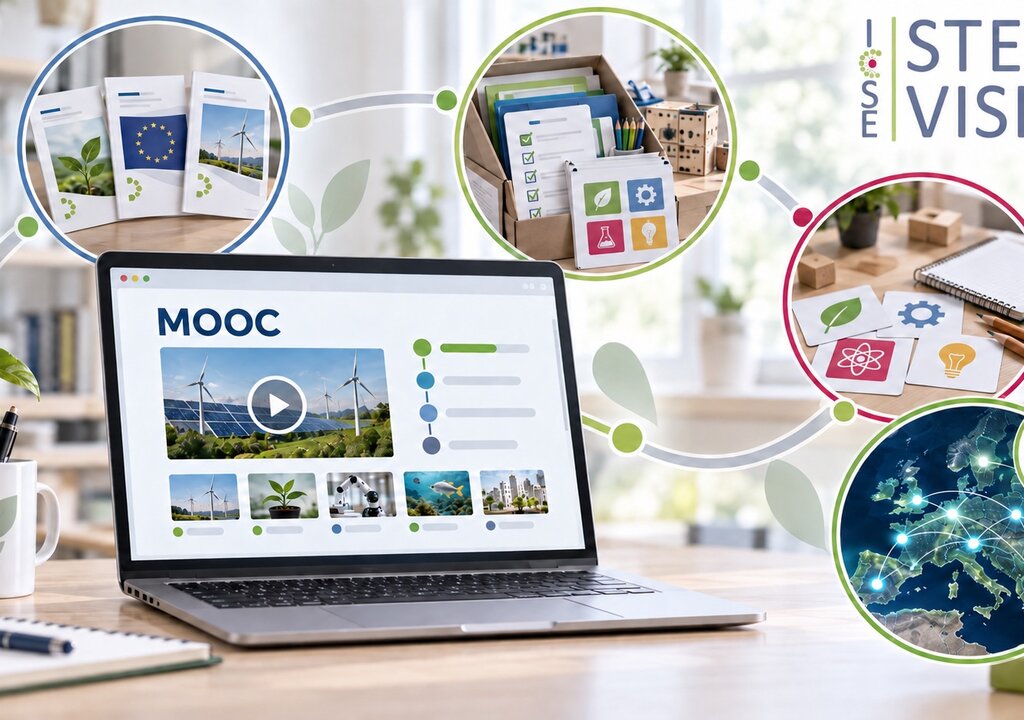
A European MOOC (Massive Open Online Course), a free online course for self-paced learning, together with virtual training opportunities for teachers and student teachers, three policy briefs, support resources for schools, and ready-to-use teaching ideas will make the project results widely accessible. The MOOC will remain available for self-study after the end of the project, while the STEAM modules will be embedded in European resource platforms for long-term use.

Who is ICSE STEAM vision for?

ICSE STEAM vision addresses different target groups from teacher education, schools, research and education policy who want to learn about, test, further develop or structurally strengthen integrated STEAM education in Europe.
AI content

Student Teachers

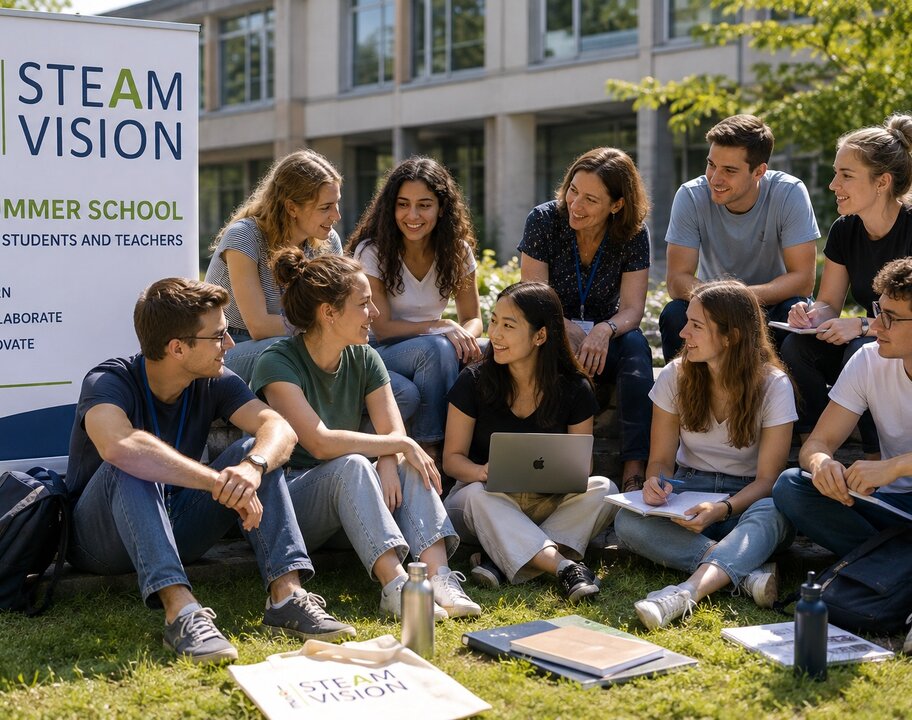
Future teachers have the opportunity to experience integrated STEAM approaches in practice during their initial teacher education. In a European blended-learning programme, they combine virtual preparation, an international summer school in Prague or Freiburg, and a virtual follow-up. Among other activities, they develop their own teaching ideas, reflect on interdisciplinary learning, gain practical experience and connect within an international learning community.
AI content

Teachers

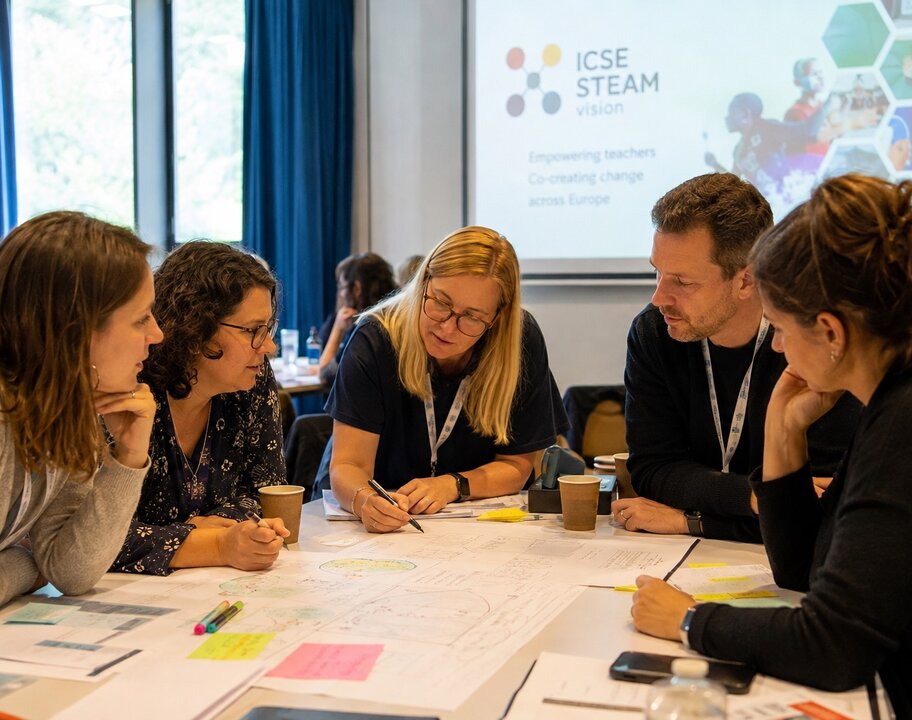
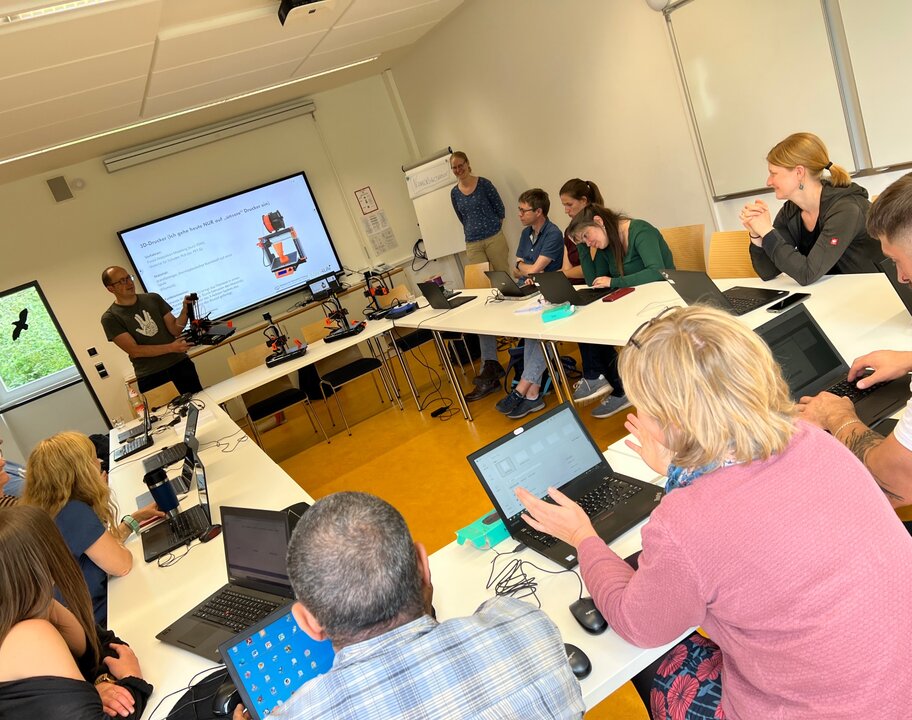
Practising teachers test practice-oriented STEAM approaches and transfer them directly into their own classrooms. The professional development programme connects European learning experiences with school practice and is supported by virtual workshops, sustained mentoring, a helpdesk and Schools-for- Schools exchange. This creates long-term opportunities for professional exchange and collaboration across national borders.
Teacher Education

Teacher educators, higher education institutions and professional development providers jointly develop and test the programme. The aim is to strengthen connections in integrated STEAM teacher education from university-based initial teacher education through continuing professional development and to embed successful approaches in existing structures over the long term.
AI content

Education Policy

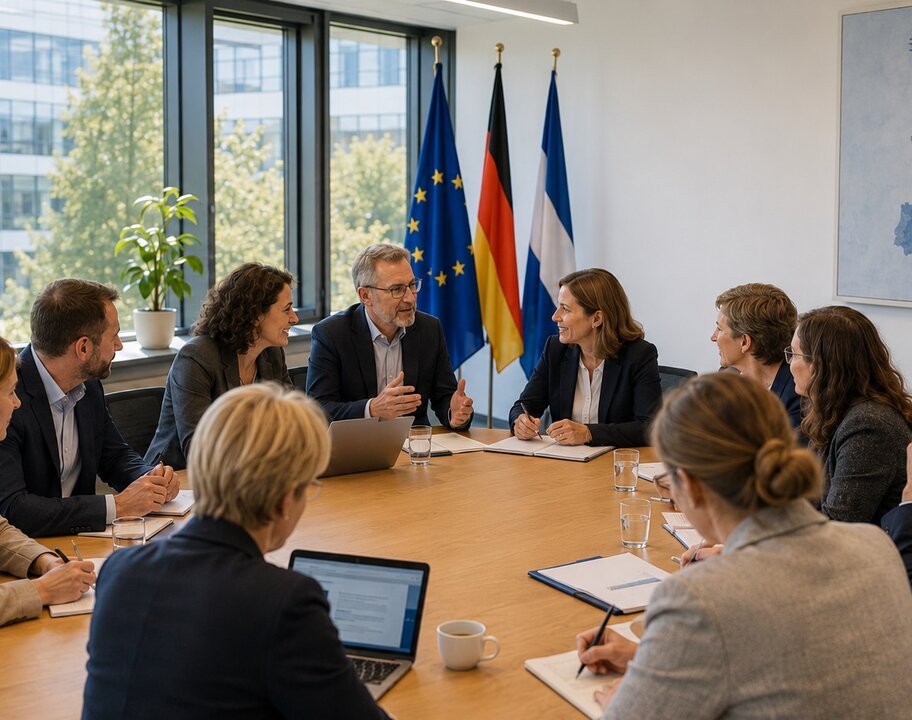
Education policymakers and other key stakeholders are involved through regional meetings, European policy seminars, networks and policy briefs. Project results and evaluation findings are intended to support evidence-based further development of STEAM teacher education and European mobility.

Partner Descriptions
AI content

ICSE – University of Education Freiburg

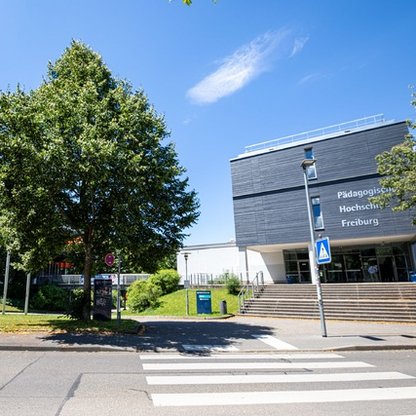
ICSE, the International Centre for STEM Education at the University of Education Freiburg, coordinates ICSE STEAM vision. ICSE contributes many years of expertise in European STEM and STEAM education, teacher education, international research and development projects, and the establishment of sustainable education networks.

Instituto de Educação da Universidade de Lisboa (Portugal)

A leading Portuguese institution in research on education policy and science education. Its contribution focuses on the development of teacher training modules, pedagogical evaluation, and the involvement of teacher networks in reducing inequalities in science education, for example in the area of “Women in STEM”.

Hacettepe Üniversitesi (Türkiye)

One of Türkiye’s leading higher education institutions in the field of education. It actively contributes to the
modular co-creation processes and helps ensure that STE(A)M education approaches can be adapted to
different international contexts and curricula.

EduNet Europe (Germany)

EduNet Europe is a non-profit organisation working with a pan-European network of schools, universities, teacher education institutions and education authorities to develop research-informed and practice-oriented teacher education programmes. In STEAM Vision, EduNet organises webinars and blended professional development programmes for practising teachers, supports participating schools in project-related activities, and organises the project’s online mid-term conference.

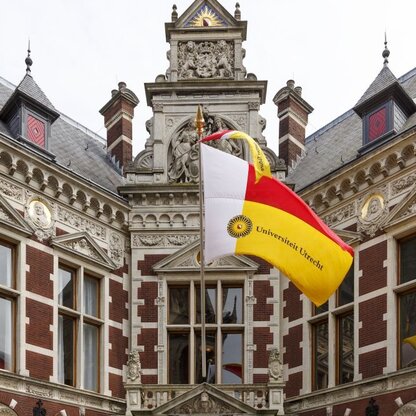
Utrecht University – Freudenthal Institute (Netherlands)

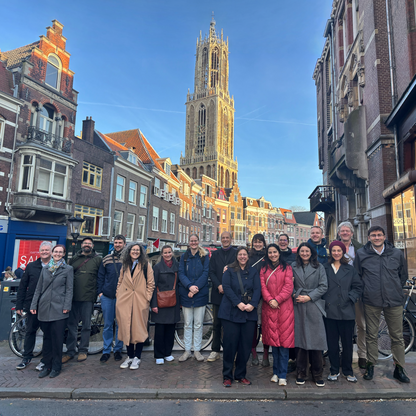
A leading institution in the development of innovative teaching and learning approaches. Within the project, the Utrecht team plays a central role by hosting the Design Retreat, where the framework for the eight challenge-based and practice-oriented modules is jointly developed through an intensive co-creation process.

European Schoolnet / EUN Partnership AISBL (Belgium)

A network of more than 30 European Ministries of Education. European Schoolnet supports the systemic impact of the project’s recommendations by facilitating direct dialogue with education policymakers across Europe. At the same time, thousands of teachers are connected to the project’s results through the European Schoolnet Academy, a pioneering platform for online professional development, and Scientix®, the leading science education community in Europe.

latest annual EUN report

Charles University / Karlova univerzita (Czech Republic)

A historic university and one of the most renowned higher education institutions in Central Europe. Its
Faculty of Education has particular expertise in Initial Teacher Education (ITE). Within the project, it is
responsible for testing methodologies in authentic educational contexts and hosts practice-oriented training
activities and work weeks, particularly for future teachers.

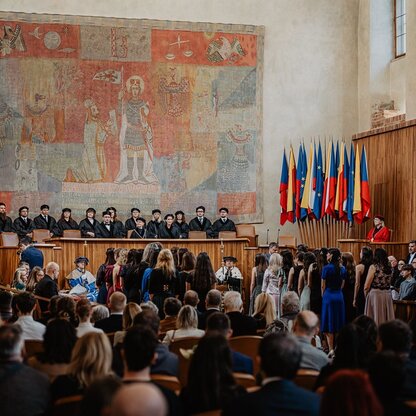
University of Klagenfurt (Austria)

The University of Klagenfurt is recognised for its expertise in educational innovation and research. It
contributes scientific expertise on key topics such as sustainability, digitalisation and health and supports
their integration into the project’s European interdisciplinary learning approach.

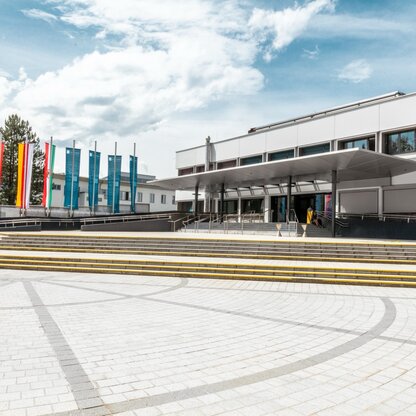
University College of Teacher Education Carinthia (Austria)

An Austrian university college of teacher education that contributes its expertise in teacher education and the development of pedagogical concepts and practices to the project.

Agrupamento de Escolas de Mangualde (Portugal)

A Portuguese group of public schools providing an authentic, practice-based educational environment in which the developed STE(A)M approaches can be implemented and tested together with students and teachers.

Bundesgymnasium und Bundesrealgymnasium (Austria)

An Austrian public secondary school that plays an important role in piloting the developed modules and teaching materials under authentic classroom conditions.